
कैसे स्वचालित व्यापार वित्तीय बाजारों में क्रांति ला रहा है
क्रिप्टो मार्केट सुरक्षा और नैतिकता
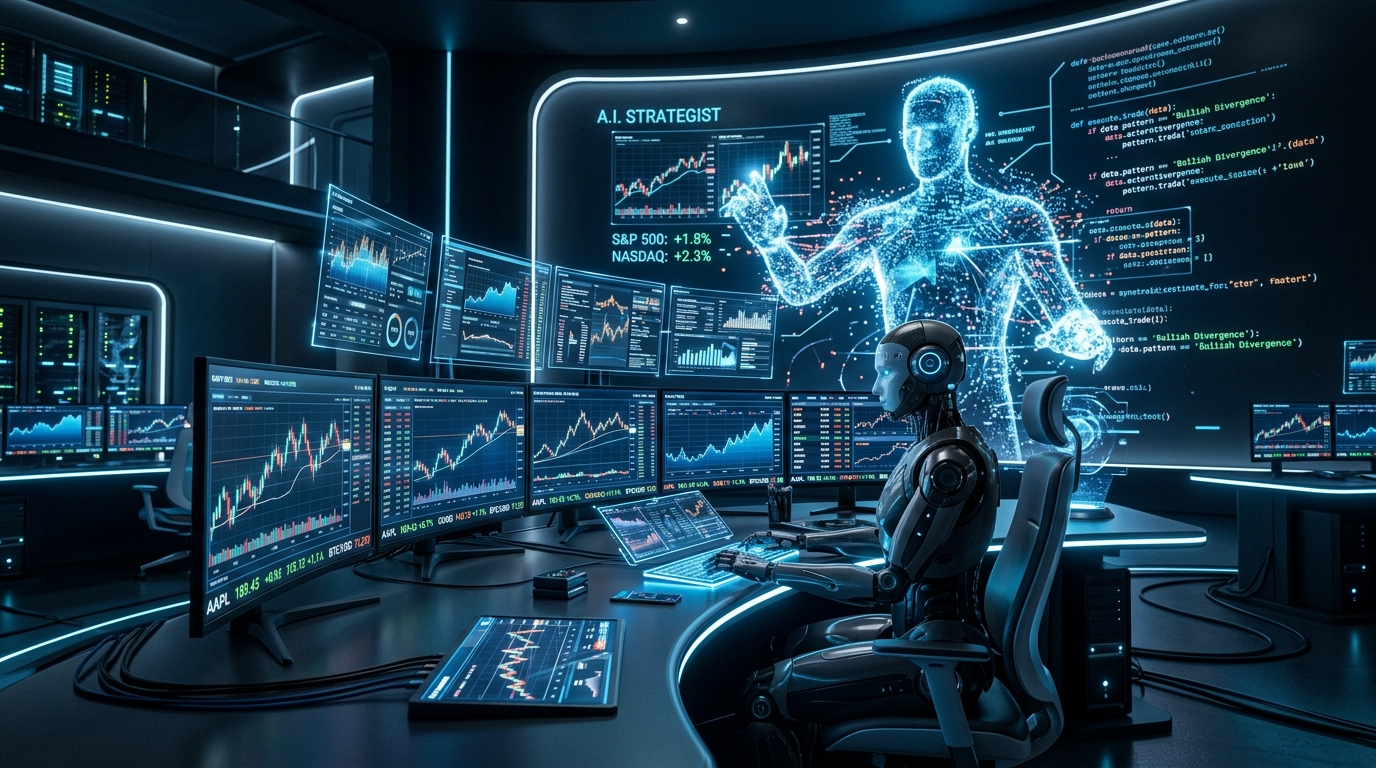
वित्तीय बाजारों में स्वचालन व्यापार करने के तरीके को नाटकीय रूप से बदल रहा है। एल्गोरिदमिक व्यापार के मूल से लेकर जटिल मशीन-लर्निंग मॉडल के विकास तक, स्वचालित व्यापार प्रणाली अब संस्थागत और खुदरा व्यापारियों दोनों के लिए आवश्यक हो गई हैं। इस लेख में, हम देखेंगे कि स्वचालित व्यापार कैसे वित्तीय बाजारों को बदल रहा है, इसकी प्रमुख तकनीकें, रणनीतियाँ, लाभ, चुनौतियाँ, और इस क्रांति के चारों ओर नैतिक विचार क्या हैं।
स्वचालित व्यापार का परिचय
स्वचालित व्यापार का तात्पर्य कंप्यूटर सिस्टम के उपयोग से है जो पूर्व-प्रोग्राम किए गए एल्गोरिदम के आधार पर मानव हस्तक्षेप के बिना व्यापार निष्पादित करते हैं। ये सिस्टम वास्तविक समय में बाजार डेटा का विश्लेषण करते हैं और उस गति और सटीकता से निर्णय लेते हैं जिसे मानव व्यापारी नहीं मिला सकते। स्वचालित व्यापार का इतिहास 1970 के दशक के अंत में सरल नियम-आधारित प्रणालियों से शुरू हुआ था, जो अब कृत्रिम बुद्धिमत्ता (AI) और मशीन लर्निंग को शामिल करते हुए जटिल प्लेटफार्मों में विकसित हो चुका है।
स्वचालित व्यापार में प्रौद्योगिकी की भूमिका
The evolution of automated trading in India has been significantly influenced by technological advancements. Artificial intelligence and machine learning empower trading platforms to evolve, recognizing trends and refining methodologies. High-frequency trading (HFT) has transformed the landscape, enabling rapid execution of trades that capitalize on minute price variations. Furthermore, the advent of cloud technology, extensive data analytics, and robust network frameworks has allowed traders to implement these sophisticated algorithms worldwide, facilitating continuous market engagement with negligible delays.
Understanding the Mechanics of Automated Trading Systems
Automated trading systems leverage algorithms—structured sets of rules crafted in various programming languages. These can vary from straightforward strategies, such as executing a buy order when an asset hits a specific threshold, to intricate AI-enhanced models that analyze past data to forecast future market behaviors.
Categories of Automated Trading Systems Include:
- Rule-Based Trading Systems: Carry out trades based on established, specific criteria.
- AI-Enabled Trading Solutions: Evolve continuously by processing vast amounts of market data, enhancing accuracy and decision-making capabilities.
- Integrated Trading Approaches: Merge traditional trading techniques with advanced AI for superior results and adaptability in the market.
- blog_three_question_4.subtitle_4: blog_three_question_4.desc_4
Varieties of Automated Trading Techniques
These techniques leverage complex algorithms, necessitating meticulous fine-tuning and effective risk assessment.
Automated trading employs various strategies tailored to market dynamics and investor objectives. Notable examples include:
- Arbitrage Techniques: These capitalize on discrepancies in prices between different exchanges or markets.
- Momentum Trading Approaches: These aim to harness prevailing market trends, purchasing during price surges and liquidating during declines.
- Mean Reversion Approaches: Leverage the expectation that market prices will return to their average levels following substantial fluctuations.
- Strategies for Market-Making: Earn from the difference between buying and selling prices by executing simultaneous orders.
Advantages of Automated Trading Systems
Unlock the Future of Wealth with Crypto Trading Are you ready to dive into the world of cryptocurrency? With BTC Hester N106, trading Bitcoin and other cryptocurrencies has never been easier or more rewarding. Imagine being part of a financial revolution that allows you to trade anytime, anywhere, right from your smartphone! Crypto trading offers incredible benefits like high liquidity, 24/7 market access, and the potential for significant returns. Whether you're a seasoned trader or just starting, our user-friendly platform caters to everyone. Plus, with real-time market data and advanced tools, you can make informed decisions and maximize your profits. Join the ranks of savvy investors who are capitalizing on this digital gold rush. With low transaction fees and a secure environment, your journey into crypto trading is just a click away. Don't miss out on the chance to grow your wealth with BTC Hester N106. Start trading today and watch your financial dreams take flight!
Automated trading systems present numerous benefits compared to traditional trading methods. Key advantages include:
- गति और दक्षता: कंप्यूटर मानवों की तुलना में तेजी से व्यापार कर सकते हैं, अवसरों का लाभ उठाते हुए जो जल्दी समाप्त हो सकते हैं।
- मानव त्रुटियों में कमी: स्वचालित प्रणाली भावनात्मक निर्णय लेने और संज्ञानात्मक पूर्वाग्रहों को समाप्त करती है, जिससे परिणाम अधिक स्थिर होते हैं।
- 24/7 बाजार पहुंच: ये प्रणाली लगातार काम कर सकती हैं, यह सुनिश्चित करते हुए कि व्यापारी कभी भी बाजार के अवसर को न चूकें।
- पुनः परीक्षण और अनुकूलन: व्यापारी अपने रणनीतियों को लागू करने से पहले ऐतिहासिक डेटा का उपयोग करके उनका परीक्षण कर सकते हैं, प्रदर्शन को बेहतर बनाने और जोखिम को कम करने के लिए।
स्वचालित व्यापार के जोखिम और चुनौतियाँ
Unlock the Future of Trading with BTC Hester N106! Are you ready to elevate your trading game? With BTC Hester N106, you’re not just trading; you’re stepping into a world of endless possibilities. Imagine having access to real-time market insights, lightning-fast transactions, and a user-friendly interface that makes trading a breeze! Whether you’re a seasoned trader or just starting out, our platform is designed to cater to your needs. Enjoy low transaction fees, robust security measures, and the ability to trade anytime, anywhere. Plus, with our dedicated customer support team, you’ll never feel lost in the crypto jungle. Join the revolution and experience the benefits of crypto trading with BTC Hester N106. Your financial freedom awaits!
हालांकि स्वचालित व्यापार कई लाभ प्रदान करता है, लेकिन इसके साथ जोखिम भी जुड़े होते हैं। प्रमुख चुनौतियाँ शामिल हैं:
- बाजार की अस्थिरता के जोखिम: Automated trading platforms can heighten market instability, particularly during unexpected downturns or sudden sell-offs, where swift and extensive liquidation can spiral beyond control.
- Sudden Market Drops: In 2010, a trading algorithm triggered a swift downturn, erasing vast sums from the market in mere moments, showcasing the power of automated systems.
- Systemic Glitches: Errors in programming, technical outages, or unforeseen bugs can lead to considerable monetary losses for traders relying on automated solutions.
- blog_three_question_7.subtitle_4: blog_three_question_7.desc_4
How Automated Trading Shapes Financial Landscapes in India
स्वचालित व्यापार ने बाजार की तरलता और दक्षता में उल्लेखनीय वृद्धि की है। तेजी से और अधिक बार व्यापार करने की अनुमति देकर, विभिन्न संपत्ति वर्गों में तरलता में सुधार हुआ है। हालांकि, मानव व्यापारियों की भूमिका कम होती जा रही है, क्योंकि मशीनें उन कार्यों को संभाल रही हैं जो पहले मैन्युअल रूप से किए जाते थे, जिससे वित्त क्षेत्र में नौकरी के बाजार का स्वरूप बदल रहा है।
विभिन्न संपत्ति वर्गों में स्वचालित व्यापार
स्वचालित व्यापार प्रणाली बहुपरकारी हैं और विभिन्न बाजारों में कार्य करती हैं, जिनमें शामिल हैं:
- शेयर: स्टॉक ट्रेडिंग एल्गोरिदम सबसे विकसित में से एक हैं, जिनका उपयोग हेज फंड और व्यक्तिगत व्यापारियों द्वारा समान रूप से किया जाता है।
- विदेशी मुद्रा: Automated trading systems have revolutionized the cryptocurrency landscape, swiftly adapting to market shifts and news in real-time.
- Precious Metals: Markets for precious metals like silver and platinum thrive on algorithmic trading approaches that capitalize on price movements and market inefficiencies.
- Digital Currencies: The dynamic nature of digital currency markets, operating round-the-clock, makes them ideal for automated trading systems to exploit rapid fluctuations.
Navigating Regulatory Landscapes
The regulation of automated trading holds paramount importance for maintaining market equilibrium. Regulatory authorities in India, such as SEBI, are actively formulating guidelines to mitigate excesses and foster transparency. Nonetheless, as AI-driven trading systems evolve in complexity, regulators grapple with the task of keeping pace with technological advancements. Ethical dilemmas also surface, particularly regarding the prevention of algorithm-driven market manipulation.
Institutional Investors Harnessing Automated Trading Strategies
In India, institutional investors, especially hedge funds and proprietary trading houses, increasingly depend on automated trading frameworks to secure a competitive advantage. Quantitative analysts, often termed 'quants,' devise intricate models that amalgamate vast data, AI, and machine learning techniques to surpass conventional trading approaches. The success of several hedge funds can be attributed to their reliance on automated systems, reminiscent of the triumphs seen with global leaders in the field.
Automated Trading Solutions for Retail Traders
Recent innovations have made automated trading accessible to retail traders across India. Platforms like Zerodha and Upstox provide seamless access to trading bots, while social trading networks enable users to emulate the strategies of successful traders. Retail investors now have the option to either buy or create personalized trading bots that automate their trading tactics effectively.
Envisioning the Future of Automated Trading
As artificial intelligence and machine learning advance, the complexity of automated trading systems will also increase. The emerging realm of quantum computing holds tremendous promise for transforming trading by analyzing vast datasets at unprecedented speeds. In the coming decade, we can expect automation to take center stage in financial markets, significantly minimizing the reliance on human traders.
Ethical Aspects of Automated Trading
Transparency is essential to ensure that automated trading remains just and inclusive. It is imperative that algorithms are crafted to avert market manipulation while providing fair access to trading opportunities. Striking a balance between the advantages of automation and the necessity for ethical conduct in the markets poses a continual challenge for both regulators and participants.
Insights from Automated Trading Cases
- The 2010 Flash Crash: This incident underscored the risks associated with automated trading systems, as algorithms instigated widespread sell-offs that resulted in a swift market decline within minutes.
- Success Narratives: Investment firms like Zerodha and Upstox have harnessed the power of AI-driven tools to consistently surpass market expectations, creating new standards in the trading landscape.
Common Queries (FAQs)
- 1. What is algorithmic trading? Algorithmic trading involves utilizing computer algorithms to perform trades automatically, minimizing human error.
- 2. What distinguishes high-frequency trading from traditional trading? High-frequency trading is a strategy where traders execute numerous transactions in mere seconds, leveraging minor fluctuations in prices to maximize profits.
- 3. Is automated trading completely devoid of risks? Certainly not; while automated trading minimizes human errors, it still carries inherent risks like technical malfunctions and unpredictable market shifts.
- 4. Can individual investors engage in automated trading? Absolutely, various platforms are available that empower individual investors to develop or utilize automated trading techniques.
- 5. How do authorities oversee automated trading practices? Regulatory authorities in India employ a blend of monitoring mechanisms, including live tracking systems and structured regulatory frameworks.
- 6. Which technologies are vital for automated trading systems? Essential technologies encompass artificial intelligence, machine learning, cloud services, and robust internet connectivity.
Conclusion: The Transformative Era of Financial Markets through Automation
Automated trading is reshaping financial landscapes, enhancing efficiency, expediting trade execution, and introducing advanced strategies. As AI, machine learning, and emerging technologies progress, the future of automated trading will hinge on its capacity to innovate while ensuring market integrity.